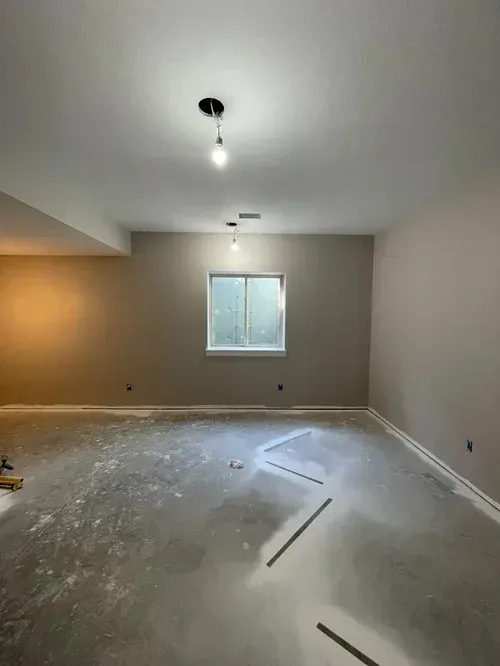
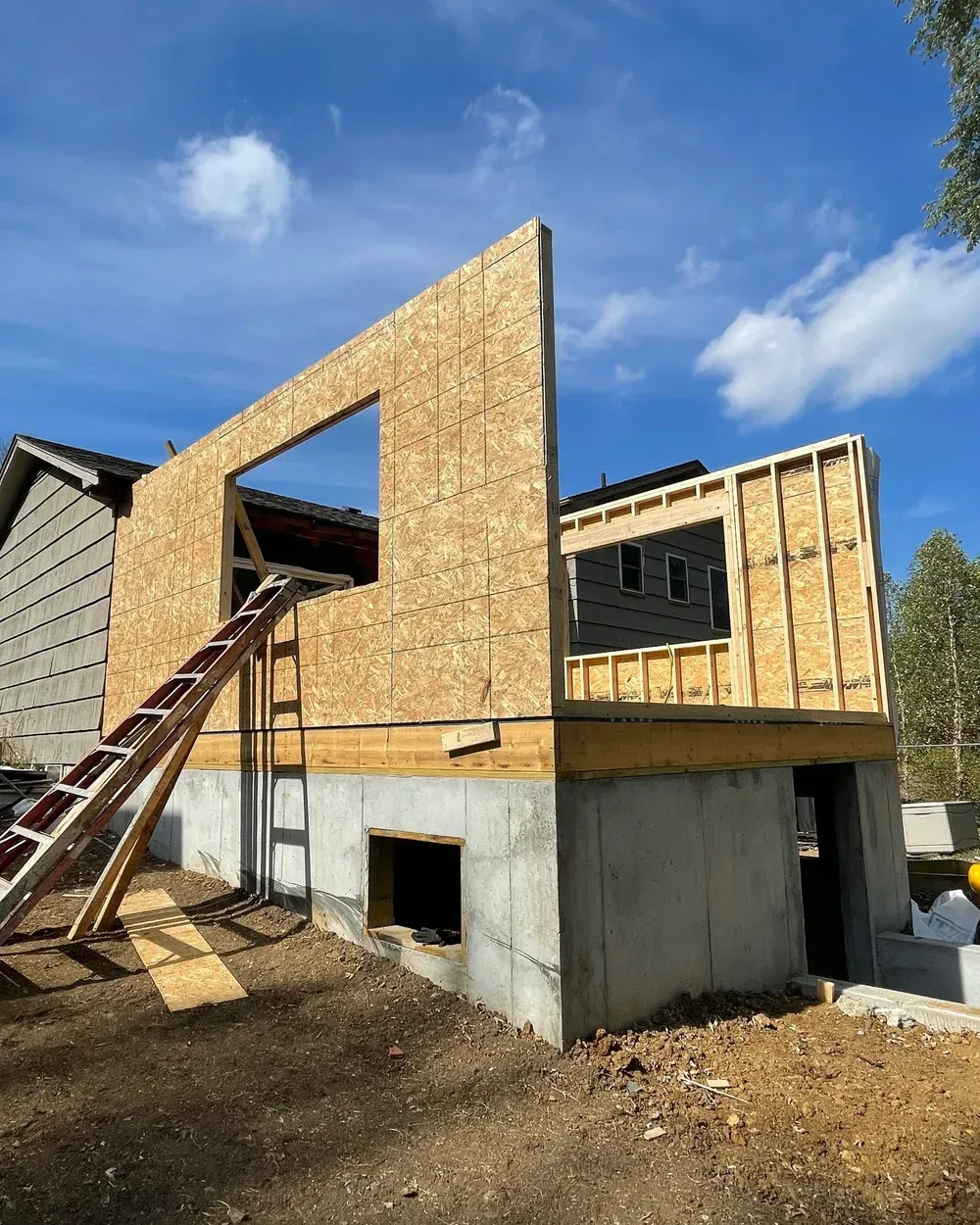
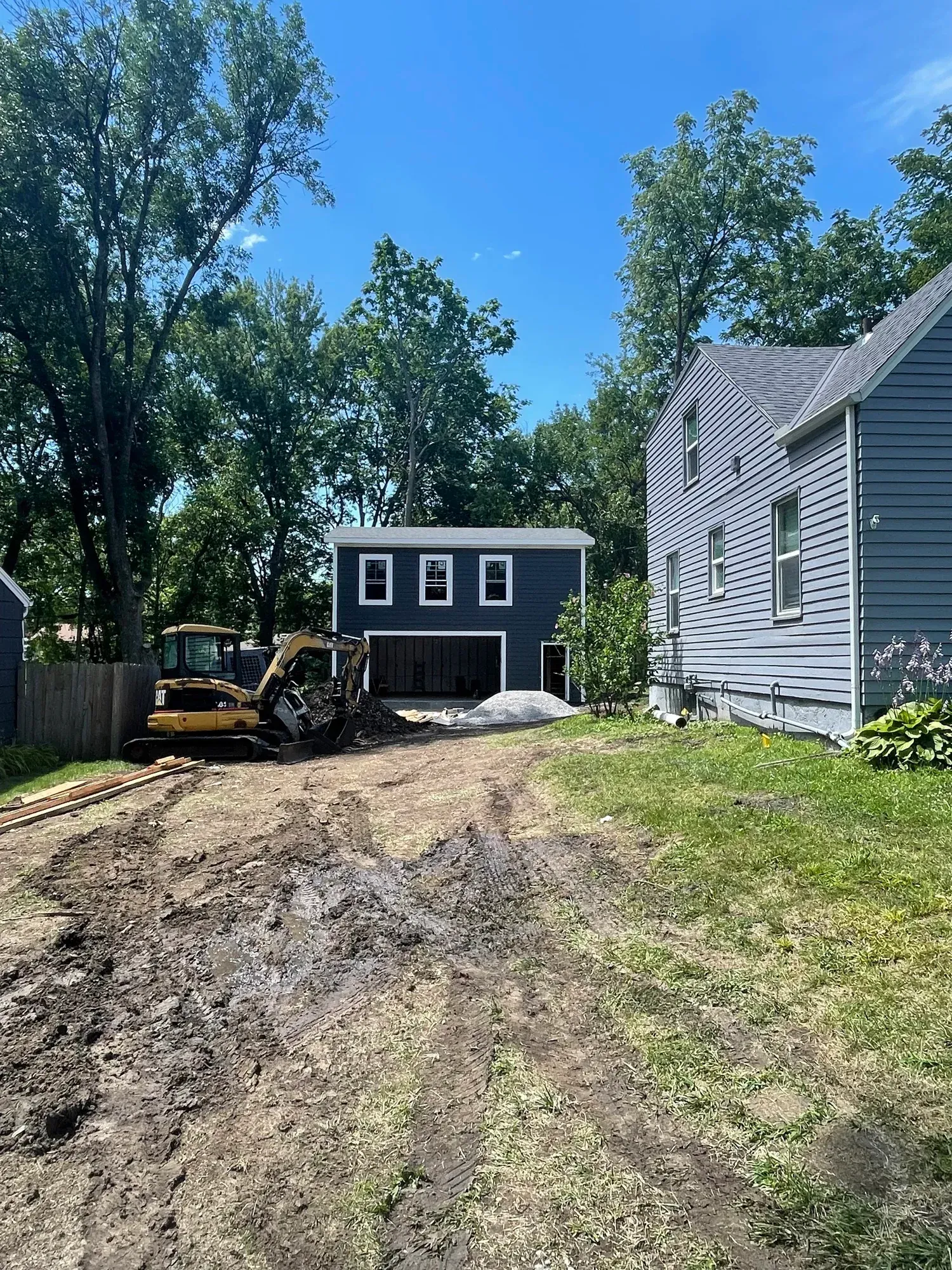
If your family is running out of space, you don’t necessarily need to packed up and navigate a stressful real estate market. Often, the extra square footage you need is already right beneath your feet. An unfinished or outdated basement is a blank canvas, offering a massive opportunity to build a custom home theater, a private guest suite, a dedicated home office, or the ultimate entertainment lounge.
Finishing a basement is one of the smartest ways to expand your liveable space and drastically increase your property’s overall market value. However, a basement renovation is completely different from remodeling a standard above-ground room.
Because basements are subterranean, they are subject to unique environmental stresses, moisture levels, and structural building codes. At
Tekton Contracting KC LLC, we specialize in transforming below-grade spaces into flawless, high-performance living areas. Before you start framing out walls, here are five crucial things you need to know about finishing a basement in the Kansas City area.
1. Moisture Mitigation Must Be Step One
Water is the ultimate enemy of any below-grade construction. Because basement walls are surrounded by soil, hydrostatic pressure constantly pushes moisture against your concrete foundation. If you frame and drywall over a basement that has even a minor moisture issue, you are actively inviting toxic mold, mildew, and structural rot into your new space.
The Strategy: Before a single piece of lumber is brought into your home, a professional contractor will conduct a thorough moisture test. This includes checking for efflorescence (white, powdery stains on the concrete), inspecting existing foundation walls for cracks, and evaluating your exterior grading and gutter downspouts. Any hidden water infiltration or dampness must be permanently resolved using interior sealants or exterior drainage fixes before interior remodeling begins.
2. Know the Code Requirements for Egress Windows
If you plan on adding a legal bedroom, a home gym, or a closed home theater in your finished basement, municipal building codes require a secondary emergency exit. This is known as an
egress window.
The Strategy: Standard basement awning windows are far too small for a person to safely escape through in the event of an emergency. An egress window requires a deep window well, a structural cutout directly through your concrete foundation wall, and an operable window that meets strict minimum height and width dimensions. Beyond keeping your home fully code-compliant and legal for resale, an egress window floods a subterranean room with natural light, keeping it from feeling dark and isolating.
3. Choose the Right Below-Grade Materials
The materials used to build a first-floor living room are often ill-suited for a basement flooring or wall layout. Standard solid hardwood flooring, for example, absorbs atmospheric humidity and will rapidly warp, cup, and split when installed directly over a concrete slab.
The Strategy: Modern basement remodeling relies on high-performance engineering materials. Instead of standard wood studs against raw concrete, professionals use rigid foam insulation boards to create a continuous thermal barrier and vapor break. When it comes to flooring, options like Luxury Vinyl Plank (LVP) or engineered tile are the premier choices because they deliver the gorgeous look of natural wood or stone while remaining entirely unbothered by subfloor humidity.
4. Don’t Box in Your Mechanical Access
Your basement is the nerve center of your home's infrastructure. It is where your furnace, water heater, main water shut-off valve, electrical panel, and sewer clean-outs live.
The Strategy: It is incredibly tempting to try and hide these bulky mechanical systems behind seamless drywall. However, these systems require regular maintenance and emergency access. A poorly planned layout that completely sheets over a plumbing stack will result in torn-out drywall the moment a pipe clogs or leaks. A professional design includes building dedicated mechanical rooms with wide, functional access doors, ensuring your home remains safely serviceable.
5. Account for Low Ceilings and Bulkheads
Unlike your main floor's tall, open walls, a basement ceiling is often crowded with structural steel I-beams, support posts, HVAC ductwork trunk lines, and electrical wiring bundles.
The Strategy: Standard framing often requires building lowered sections of the ceiling, known as
bulkheads or soffits, to hide these mechanical components. When planning your layout, your contractor must strategically run ductwork and pipes to minimize their footprint, maximizing your room’s finished ceiling height. Integrating flush LED recessed lighting rather than hanging fixtures also helps open up the visual height of the room.
Build Your Dream Space with Tekton Contracting KC
Finishing a basement is a complex, multi-trade structural project that involves structural framing, insulation engineering, plumbing rerouting, and code-compliant electrical work. Attempting a DIY basement finish often leads to failed inspections, hidden moisture damage, and immense frustration.
Tekton Contracting KC LLC operates on a foundation of dependable communication and elite craftsmanship. We manage every phase of your below-grade transformation, ensuring your new space is entirely waterproof, code-compliant, and beautifully customized to your family's lifestyle.
We proudly serve homeowners throughout the Kansas City metro area, including:
- Kansas City, MO
- Overland Park, KS
- Leawood, KS
- Lee’s Summit, MO
- Mission Hills, KS
- Belton, MO
- Prairie Village, KS
Ready to turn your dark basement into your family's favorite room? Contact
Tekton Contracting KC LLC today through our website to schedule your professional site evaluation and structural consultation. Let’s build something incredible together!